What are bike accessories?
Bike accessories are essential and optional add-on components designed to enhance a bicycle’s functionality, safety, comfort, and performance, ranging from lights, locks, and helmets to racks, tools, and electronic gadgets. Originating in the late 19th century in Europe, with inventions like the bicycle bell (patented by John Richard Dedicoat, UK, 1877) and handlebar-mounted lamps, bike accessories have evolved through advances in materials, cycling disciplines, and urban mobility needs, dividing into core safety gear (e.g., helmets, lights, reflectors), performance tools (e.g., GPS computers, power meters), and lifestyle items (e.g., panniers, baskets, phone mounts), each tailored to road, mountain, gravel, commuter, and touring bikes—adding both practical value and personal expression to every ride.
What are essential bike accessories?
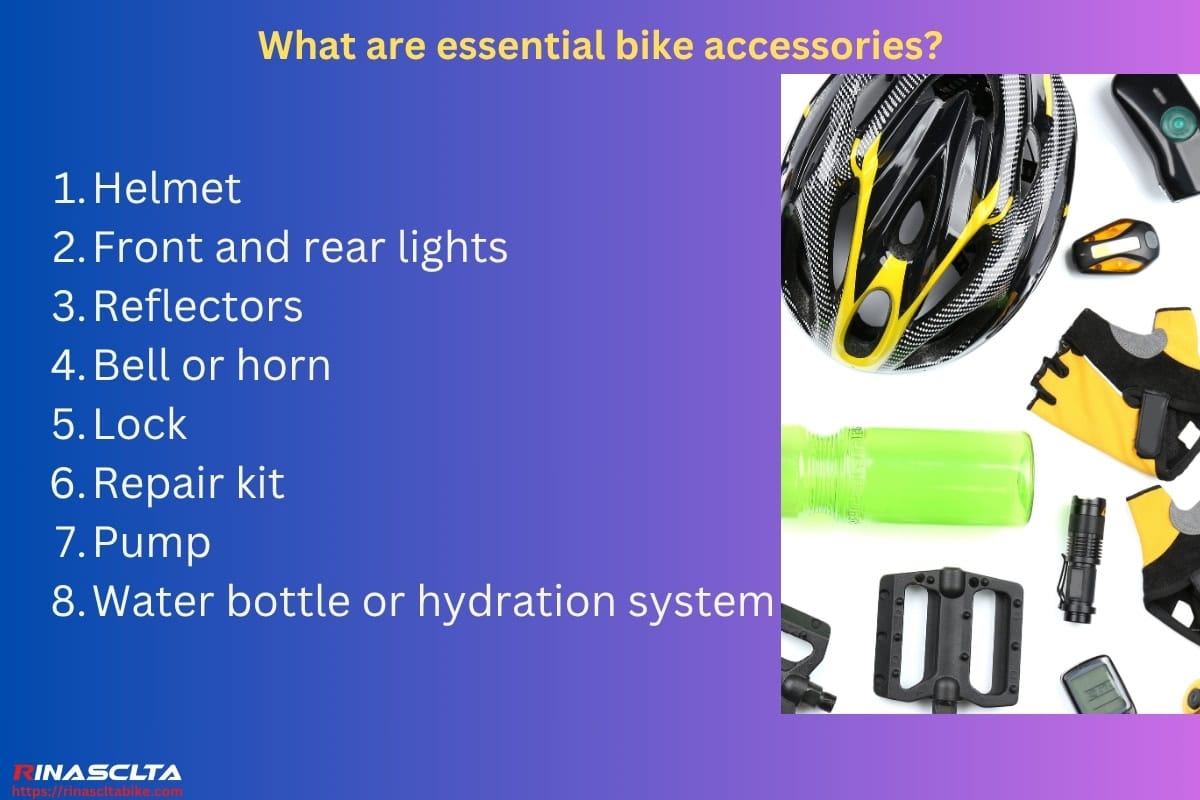
Essential bike accessories include helmet, front and rear lights, reflectors, bell or horn, lock, repair kit, pump, and water bottle or hydration system—these are crucial for maintaining rider safety, bike security, on-road independence, and physical performance in both urban and off-road cycling.
- Helmet: Protects your head in the event of a crash and is often required by law or race rules.
- Front and rear lights: Ensure you’re seen by others and help you see in dark or low-visibility conditions.
- Reflectors: Enhance visibility from all angles, especially in traffic or at night.
- Bell or horn: Alerts others of your presence, which is especially important in crowded urban or shared-use paths.
- Lock: Prevents theft by securing your bike when unattended, using U-locks, chains, or folding systems.
- Repair kit: Allows quick fixes for flats and mechanical issues, often including patches, tire levers, and a multi-tool.
- Pump: Restores tire pressure after punctures or adjustments; can be frame-mounted or compact hand pumps.
- Water bottle or hydration system: Keeps you hydrated during rides, essential for endurance and health.
What are essential bike accessories for beginners?
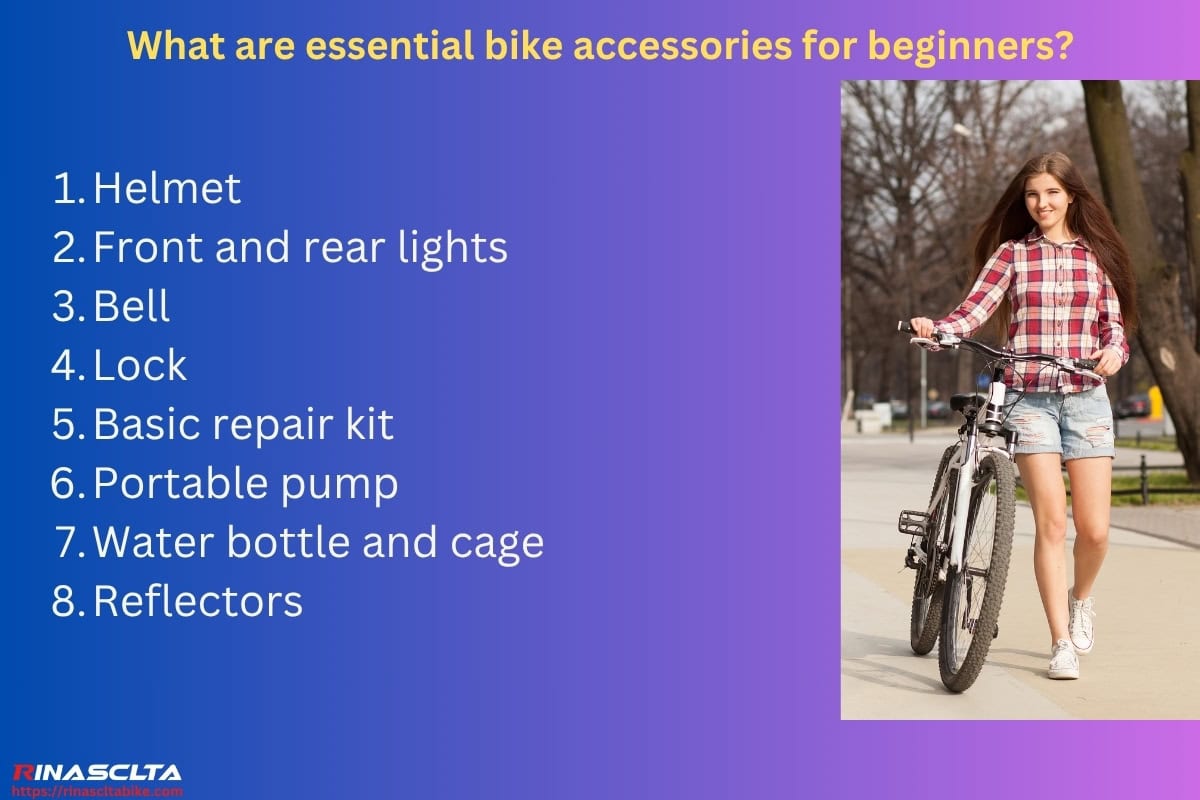
Essential bike accessories for beginners include helmet, front and rear lights, bell, lock, basic repair kit, portable pump, water bottle and cage, and reflectors—these items prioritize safety, visibility, security, and independence, helping new riders build confidence and handle common challenges during everyday rides.
- Helmet: Provides critical protection for the head in case of accidents, which is especially important for new riders still developing control and balance.
- Front and rear lights: Improve visibility and help others see you, especially at dawn, dusk, or in poor weather conditions.
- Bell: Allows you to safely alert pedestrians and other cyclists on paths and roads.
- Lock: Secures your bike when parked, preventing theft—an essential habit for beginner riders in public spaces.
- Basic repair kit: Includes tire levers, a spare tube or patch kit, and a multi-tool to fix minor mechanical issues or flat tires.
- Portable pump: Helps maintain proper tire pressure or fix a flat on the go, giving beginners more independence.
- Water bottle and cage: Keep you hydrated during rides and prevent fatigue, especially when cycling longer distances.
- Reflectors: Increase visibility from the sides and rear, enhancing safety on roads and in traffic.
What are essential bike accessories for commuting?
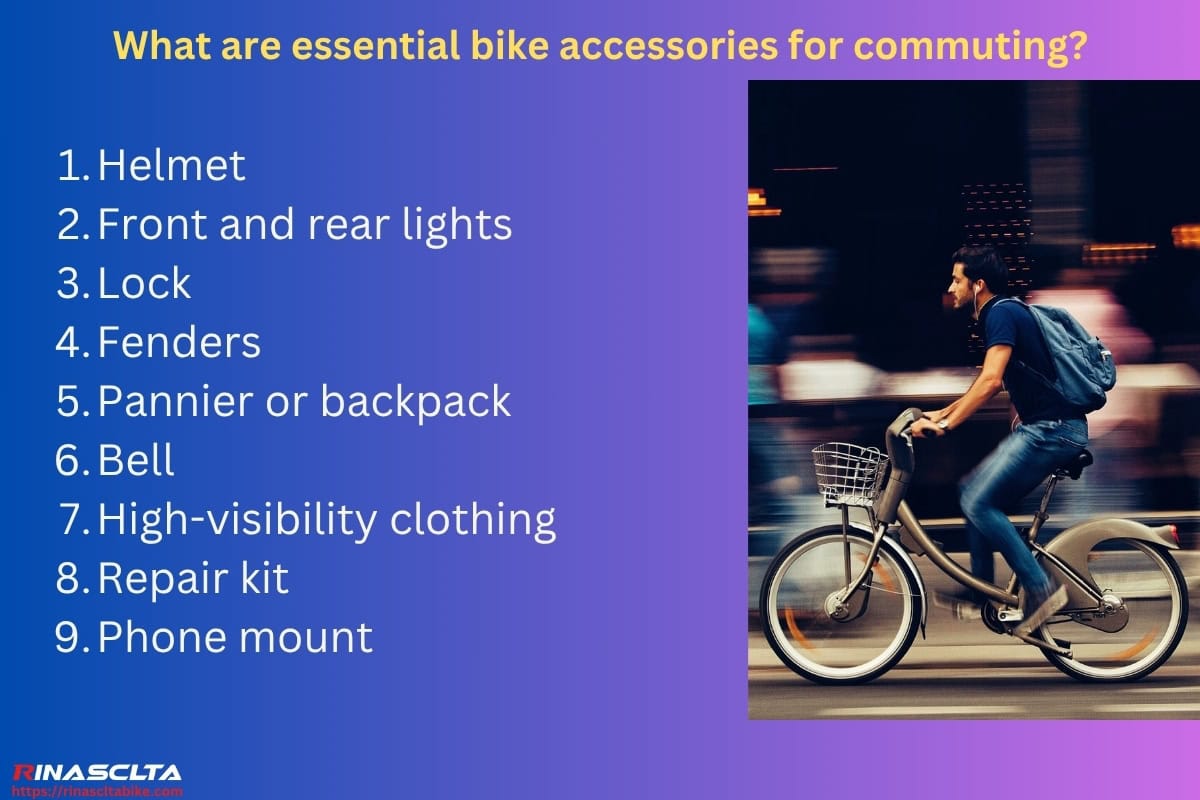
Bike accessories for commuting include helmet, front and rear lights, lock, fenders, pannier or backpack, bell, high-visibility clothing, repair kit, and phone mount—these items enhance safety, weather protection, storage convenience, and everyday reliability, making them indispensable for practical urban travel.
- Helmet: Protects your head in busy traffic and unexpected situations, making your ride safer.
- Front and rear lights: Ensure you’re seen by drivers and pedestrians in low-light or poor-weather conditions.
- Lock: Prevents theft when leaving your bike unattended during the day.
- Fenders: Keep road spray and mud off your clothes, especially in wet commuting conditions.
- Pannier or backpack: Lets you carry laptops, groceries, or work gear securely and comfortably.
- Bell: Allows you to alert others on shared paths and in traffic without shouting.
- High-visibility clothing: Increases your visibility to motorists, especially at dawn, dusk, or in rain.
- Repair kit: Lets you handle flats or mechanical issues quickly, so you can stay on schedule.
- Phone mount: Keeps your navigation, maps, or messages within view without compromising safety.
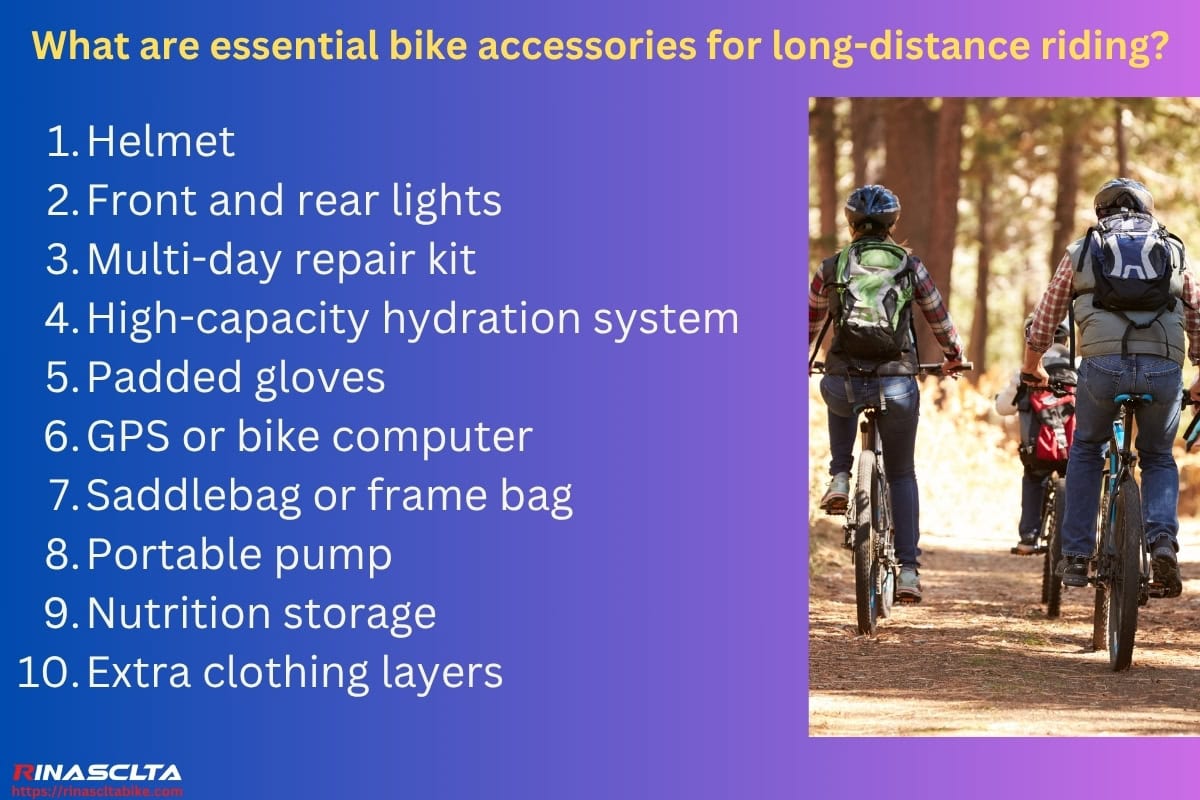
What are essential bike accessories for long-distance riding?
Essential bike accessories for long-distance riding include helmet, front and rear lights, multi-day repair kit, high-capacity hydration system, padded gloves, GPS or bike computer, saddlebag or frame bag, portable pump, nutrition storage, and extra clothing layers—these items are crucial for ensuring comfort, safety, navigation, mechanical reliability, and endurance over extended rides across varied terrain and weather.
- Helmet: Protects your head during hours of riding, where fatigue may increase crash risk.
- Front and rear lights: Ensure visibility at dawn, dusk, or through tunnels and shaded trails during long days.
- Multi-day repair kit: Includes spare tubes, patches, chain tool, CO₂ cartridges or mini-pump, and a multi-tool to handle mechanical problems far from help.
- High-capacity hydration system: Keeps you hydrated over long distances with larger bottles or hydration packs.
- Padded gloves: Reduce hand fatigue and absorb vibrations from rough roads or trails.
- GPS or bike computer: Tracks distance, speed, elevation, and helps with route navigation and pacing.
- Saddlebag or frame bag: Provides storage for tools, snacks, and extra gear without needing a backpack.
- Portable pump: Allows full tire inflation and pressure adjustment mid-ride if you get a flat.
- Nutrition storage: Lets you carry energy bars, gels, or electrolytes to maintain stamina.
- Extra clothing layers: Protect against changing temperatures, wind, or unexpected rain during long hours outdoors.
What are essential bike accessories for cars?
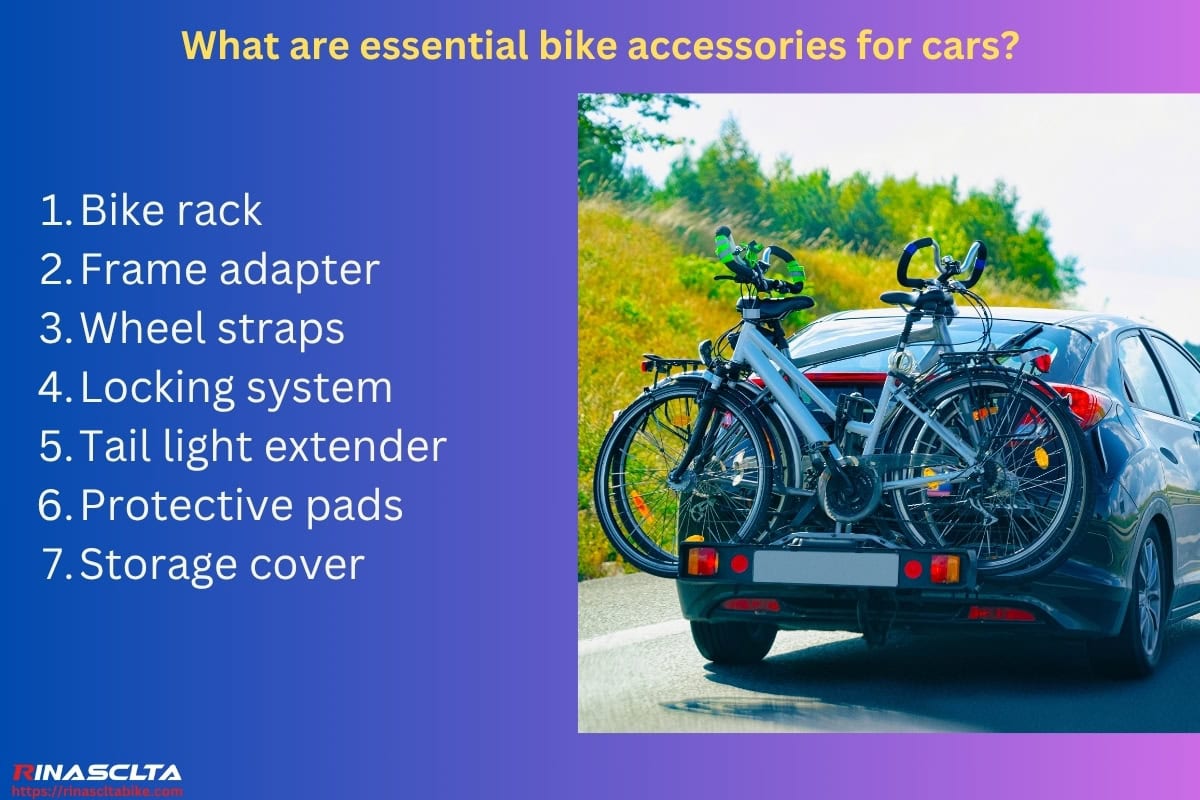
Essential bike accessories for cars include bike rack, frame adapter, wheel straps, locking system, tail light extender, protective pads, and storage cover—these accessories are important for safely transporting, securing, and protecting your bike and vehicle during travel, whether for short trips or long-distance drives.
- Bike rack: Allows you to securely mount one or more bikes to your car, either on the roof, trunk, or hitch.
- Frame adapter: Helps fit bikes with step-through or non-standard frames onto hanging-style racks.
- Wheel straps: Stabilize the wheels during transport to prevent wobbling or damage.
- Locking system: Adds anti-theft protection by securing the bike to the rack or the rack to the vehicle.
- Tail light extender: Ensures visibility and legal compliance if the rack or bikes block your car’s rear lights.
- Protective pads: Prevent scratches or pressure marks where the rack contacts the car’s paint or glass.
- Storage cover: Shields your bike from rain, dust, or road debris when driving or storing the bike on the car.
What are essential bike accessories for men?
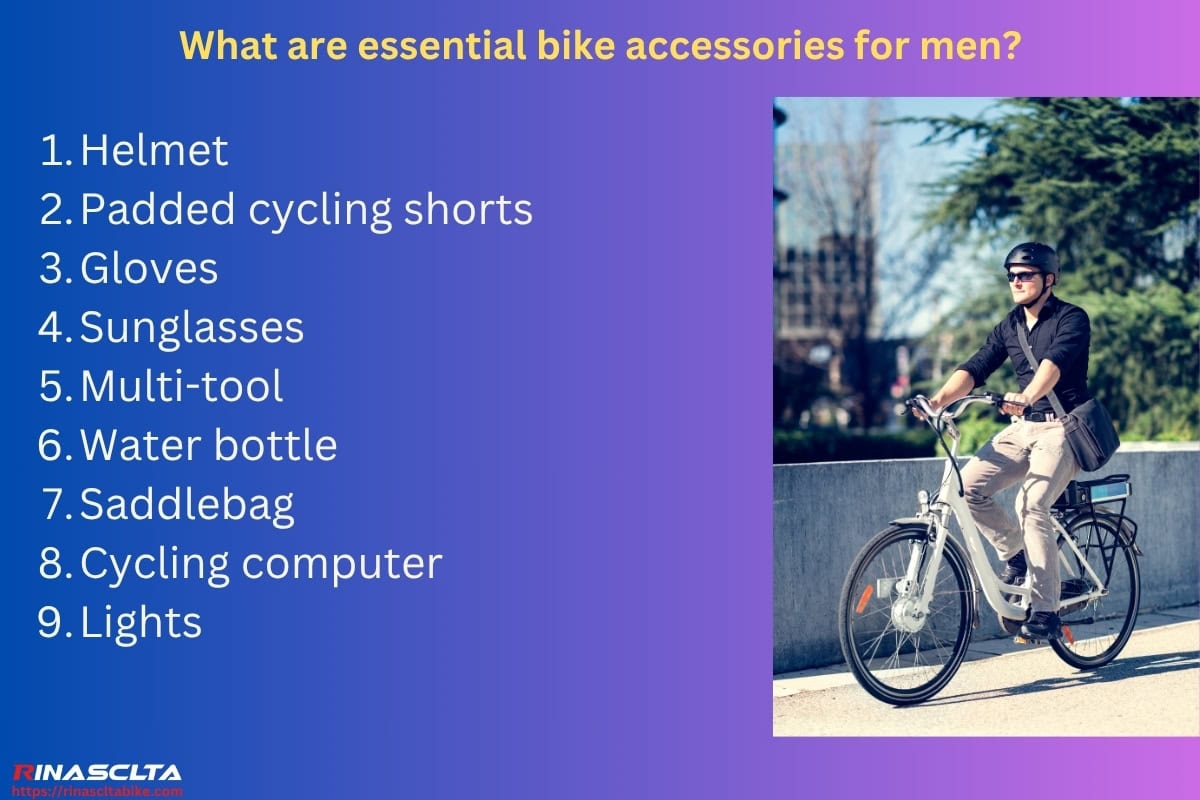
Essential bike accessories for men include helmet, padded cycling shorts, gloves, sunglasses, multi-tool, water bottle, saddlebag, cycling computer, and lights—these items support comfort, safety, performance tracking, and convenience tailored to male riders across commuting, fitness, or trail disciplines.
- Helmet: Protects the head during accidents and is critical for safety on all terrains.
- Padded cycling shorts: Reduce pressure and chafing during long rides, enhancing saddle comfort.
- Gloves: Improve grip, reduce vibration, and protect hands in case of falls.
- Sunglasses: Shield eyes from UV rays, dust, wind, and insects while improving visibility.
- Multi-tool: Allows quick fixes for bolts, chains, or seat adjustments during rides.
- Water bottle: Keeps you hydrated on the go and fits easily into standard bike cages.
- Saddlebag: Stores tools, spare tubes, and snacks without interfering with ride movement.
- Cycling computer: Tracks speed, distance, cadence, and performance metrics for fitness or training.
- Lights: Ensure visibility during early morning, dusk, or night rides for safety in traffic.
What are essential bike accessories for women?
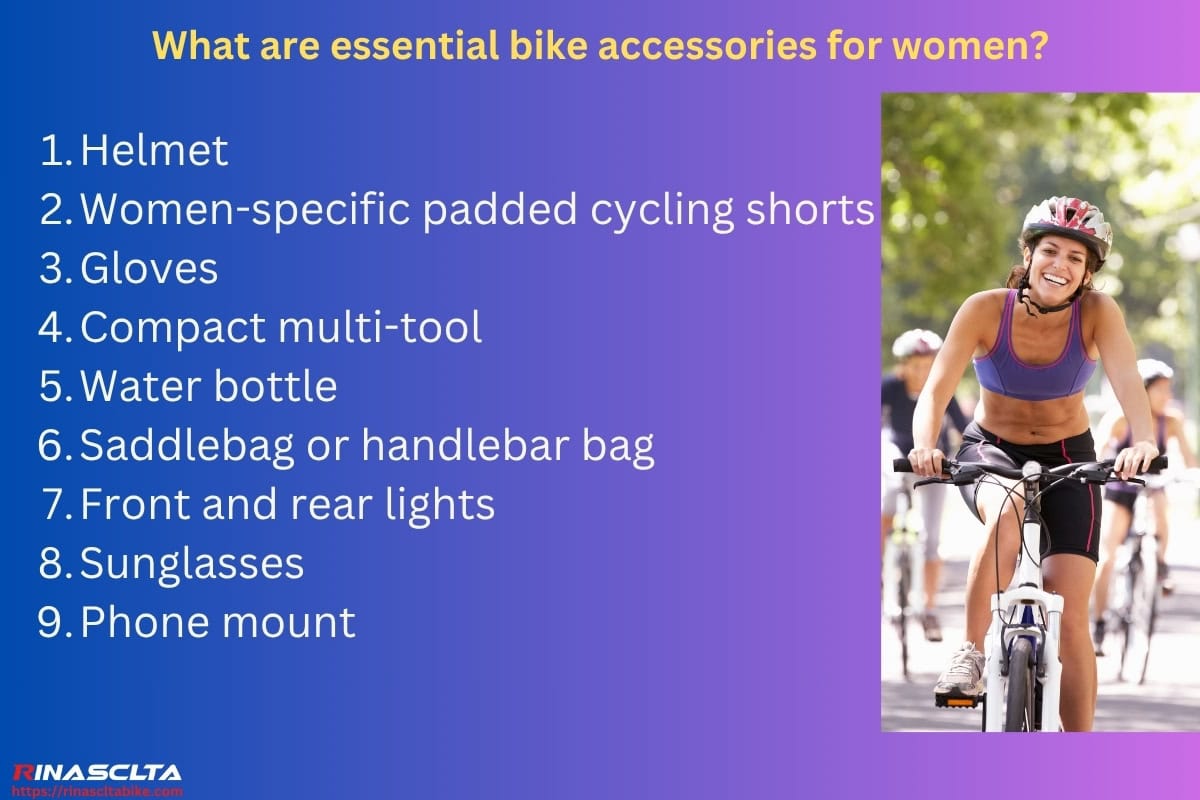
Essential bike accessories for women include helmet, women-specific padded cycling shorts, gloves, compact multi-tool, water bottle, saddlebag or handlebar bag, front and rear lights, sunglasses, and phone mount—these items provide safety, comfort, performance, and practicality, often with ergonomic or size-specific design tailored to female riders across road, commuter, or recreational biking.
- Helmet: Protects the head in case of falls and is often available in sizes and styles that suit women’s fit preferences.
- Women-specific padded cycling shorts: Reduce saddle pressure and chafing with padding and cuts tailored to female anatomy.
- Gloves: Improve control, reduce vibration, and protect hands, especially during longer rides or mixed terrain.
- Compact multi-tool: Enables on-the-go adjustments with a lighter, travel-friendly design suited for smaller hands or bags.
- Water bottle: Keeps hydration easy and accessible during rides, often paired with lightweight cages.
- Saddlebag or handlebar bag: Offers easy-access storage for essentials like tools, snacks, or personal items.
- Front and rear lights: Improve visibility in all light conditions, enhancing safety on roads or trails.
- Sunglasses: Shield eyes from sunlight, wind, and dust, improving focus and comfort.
- Phone mount: Keeps navigation, emergency contact, or fitness tracking visible and hands-free.
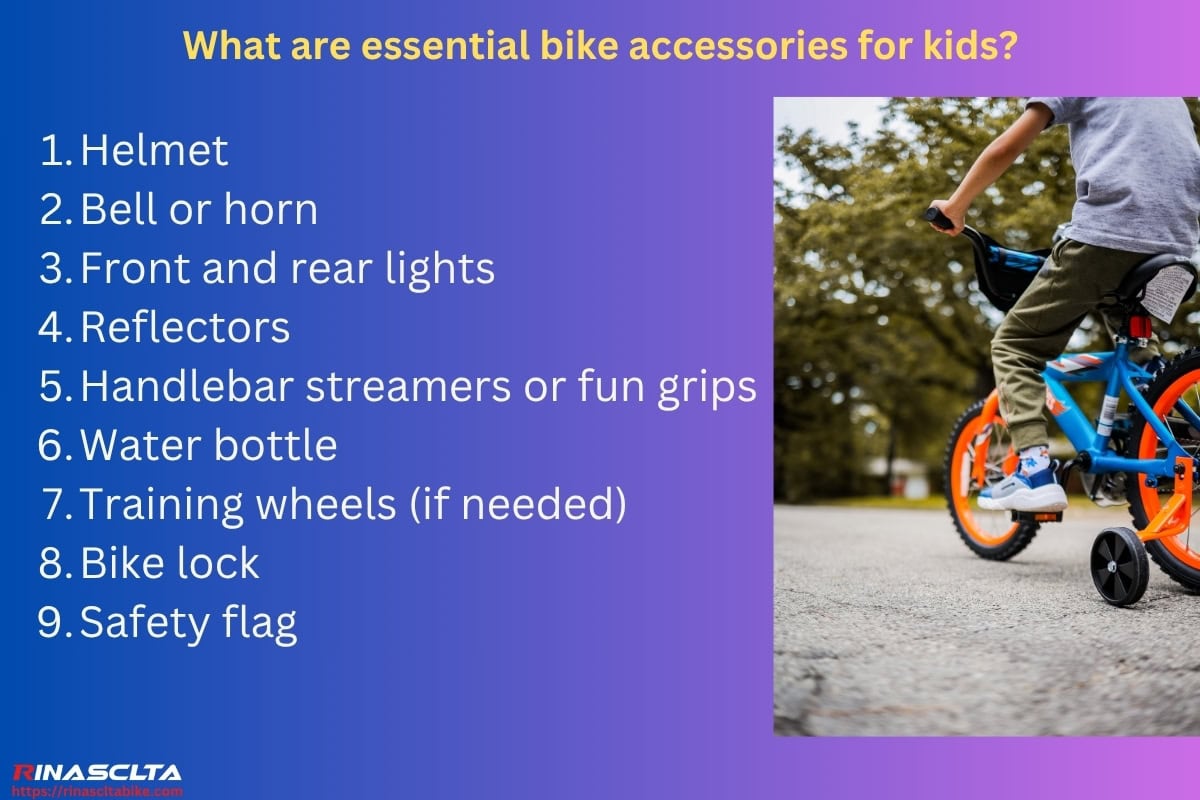
What are essential bike accessories for kids?
Essential bike accessories for kids include helmet, bell or horn, front and rear lights, reflectors, handlebar streamers or fun grips, water bottle, training wheels (if needed), bike lock, and safety flag—these items ensure safety, visibility, hydration, and engagement, making cycling both secure and enjoyable for young riders.
- Helmet: Protects the head during falls or collisions and is often legally required for children.
- Bell or horn: Helps kids alert others on paths or sidewalks, promoting safe riding habits.
- Front and rear lights: Improve visibility during low-light rides or evening play.
- Reflectors: Enhance visibility from all angles and are often included on wheels and pedals.
- Handlebar streamers or fun grips: Add personality and increase grip comfort, encouraging kids to enjoy riding.
- Water bottle: Keeps children hydrated and can be paired with kid-sized cages.
- Training wheels (if needed): Provide balance support while learning to ride, building confidence.
- Bike lock: Encourages responsibility and helps prevent theft when parked at school or playgrounds.
- Safety flag: Increases visibility for younger riders by making them more noticeable to drivers and other cyclists.
What are essential bike accessories for pets?
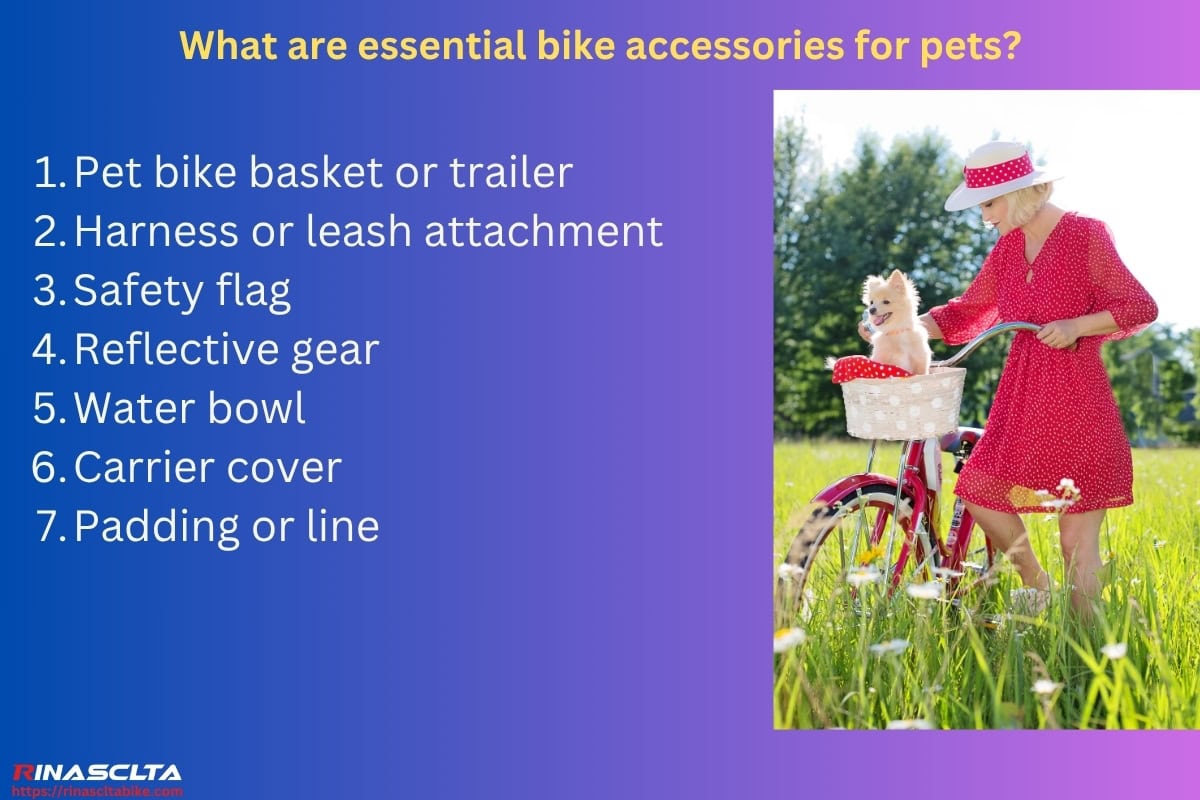
Essential bike accessories for pets include pet bike basket or trailer, harness or leash attachment, safety flag, reflective gear, water bowl, carrier cover, and padding or liner—these items ensure your pet’s safety, visibility, comfort, and hydration during bike rides, whether for short city trips or longer countryside adventures.
- Pet bike basket or trailer: Provides a secure and comfortable space for your pet to sit while you ride.
- Harness or leash attachment: Keeps your pet safely tethered without risking choking or jumping out.
- Safety flag: Increases visibility of your pet trailer or basket to drivers and other cyclists.
- Reflective gear: Enhances visibility during dawn, dusk, or night rides for both you and your pet.
- Water bowl: Ensures your pet stays hydrated, especially on longer or warmer rides.
- Carrier cover: Protects your pet from sun, wind, or light rain while in the basket or trailer.
- Padding or liner: Adds comfort and absorbs shocks from rough roads or trails to keep your pet at ease.
What are essential bike accessories for safety?
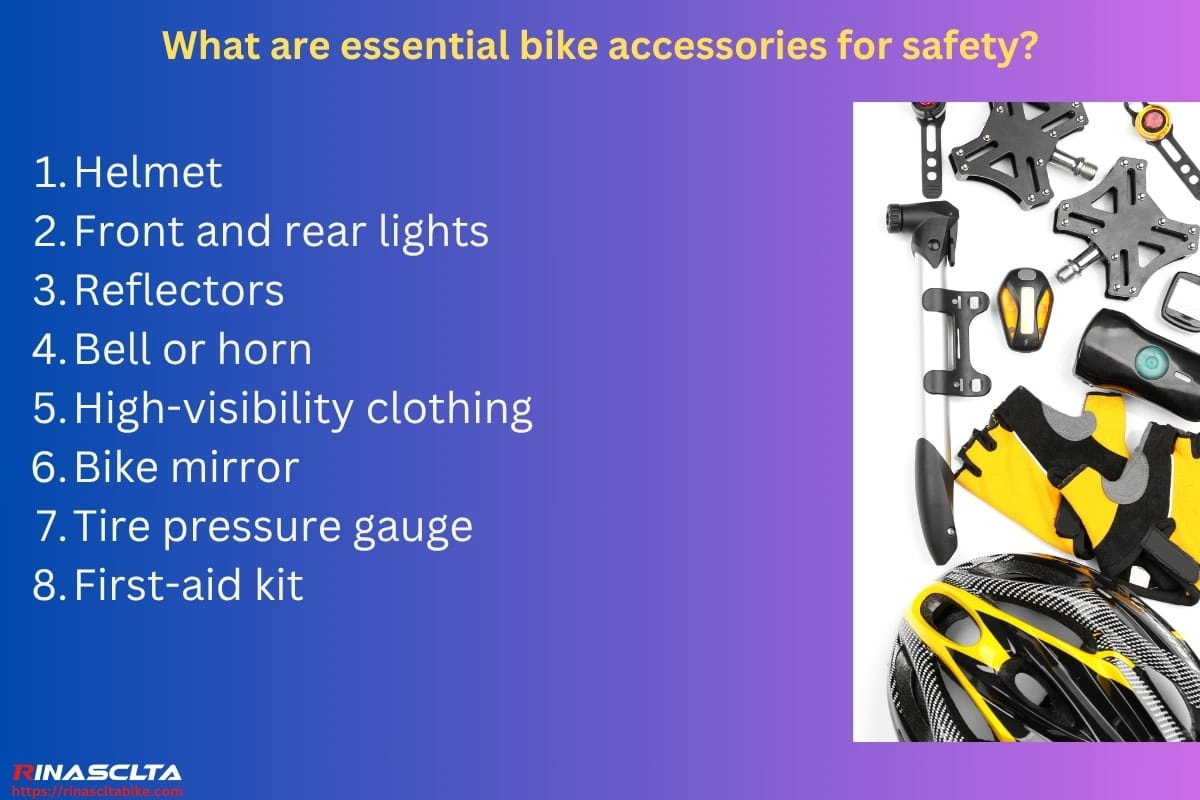
Essential bike accessories for safety include helmet, front and rear lights, reflectors, bell or horn, high-visibility clothing, bike mirror, tire pressure gauge, and a first-aid kit—these items are specifically designed to prevent accidents, enhance visibility, communicate presence, monitor bike condition, and prepare for emergencies during any ride.
- Helmet: Protects your head from impact and reduces the risk of serious injury in the event of a fall or collision.
- Front and rear lights: Improve your visibility to others and help you see clearly in low-light or dark conditions.
- Reflectors: Increase your bike’s visibility from all sides, especially when illuminated by headlights.
- Bell or horn: Allows you to alert pedestrians, drivers, or other cyclists of your presence to avoid accidents.
- High-visibility clothing: Makes you more noticeable in traffic, especially in low-light or poor weather conditions.
- Bike mirror: Lets you monitor traffic and surroundings without turning your head, increasing situational awareness.
- Tire pressure gauge: Helps maintain optimal tire pressure for safer handling and reduced blowout risk.
- First-aid kit: Prepares you to treat minor injuries like scrapes or cuts in case of a fall or roadside accident.
What are essential bike accessories for comfort?
Essential bike accessories for comfort include padded saddle, ergonomic grips, suspension seatpost, cycling gloves, chamois shorts, handlebar extensions, water bottle, and breathable clothing—these items are designed to reduce fatigue, absorb vibrations, enhance posture, and keep the rider cool and hydrated, making longer or rougher rides much more enjoyable.
- Padded saddle: Provides extra cushioning to reduce pressure on sit bones during long rides.
- Ergonomic grips: Support wrist alignment and reduce hand numbness or discomfort on flat bars.
- Suspension seatpost: Absorbs shocks from bumps and uneven terrain, improving overall ride smoothness.
- Cycling gloves: Add padding to the palms to reduce road vibration and prevent hand fatigue.
- Chamois shorts: Feature built-in padding that reduces friction and enhances saddle comfort over time.
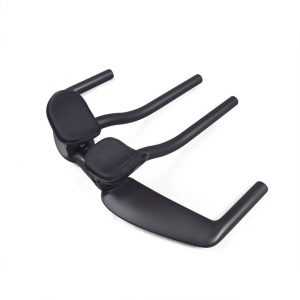
- Handlebar extensions: Offer alternative hand positions to relieve pressure and support better posture.
- Water bottle: Keeps you hydrated, which helps maintain energy and reduce physical strain.
- Breathable clothing: Wicks away sweat and regulates body temperature for greater comfort in various weather conditions.
What are the differences between bike parts and accessories?
The differences between bike parts and accessories lie in their function, necessity, and integration into the bike’s core structure—bike parts are essential mechanical or structural components required for the bike to operate (like frame, wheels, drivetrain, brakes, fork), while accessories are optional add-ons that enhance safety, comfort, performance, or convenience (like lights, racks, bells, bottle cages).
This distinction is made because bike parts define the rideability and function of a bicycle, and are standardized for compatibility and performance (e.g., Shimano drivetrain, carbon fork, hydraulic brakes), whereas accessories are customizable based on rider preference and usage context, offering flexibility for commuting, touring, or mountain biking without affecting the core operation of the bike.
What are the different categories of bike accessories?
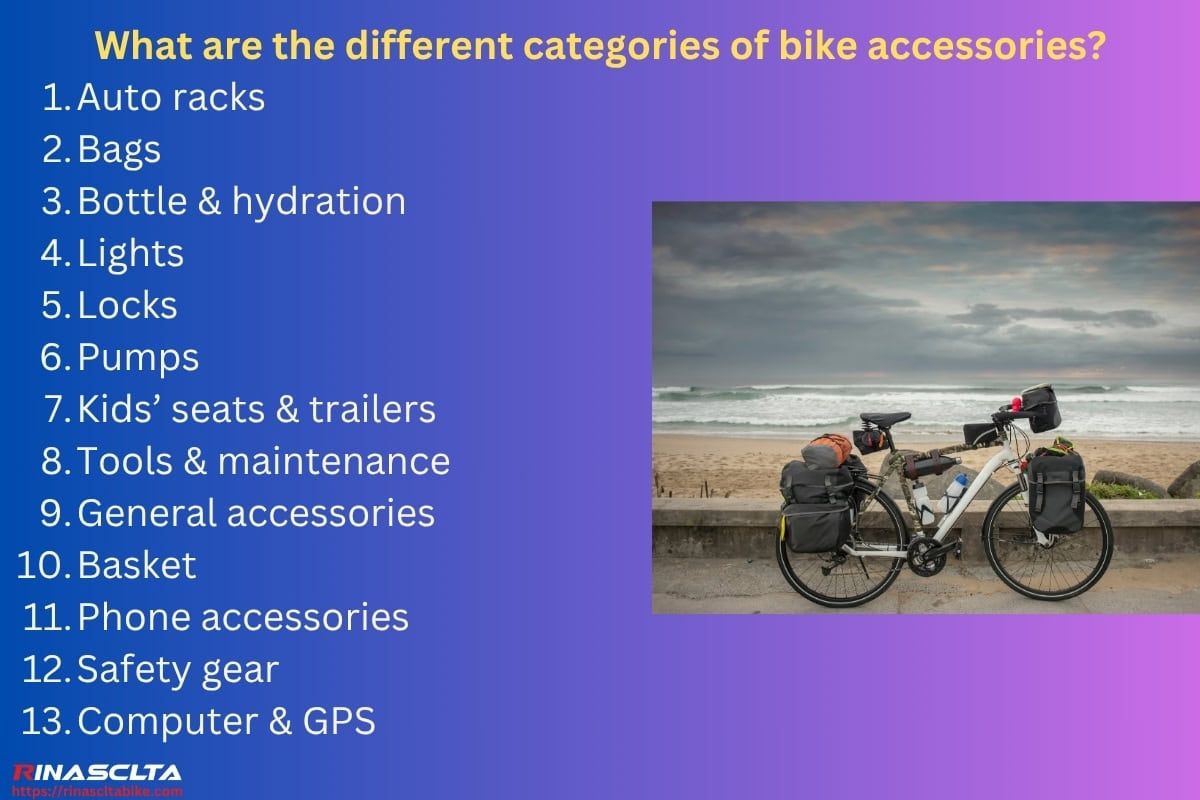
The different categories of bike accessories include auto racks, bags, bottle & hydration, lights, locks, pumps, kids’ seats & trailers, tools & maintenance, general accessories, baskets, phone accessories, safety gear, and computer & GPS—these categories exist to address the diverse needs of transportation, security, comfort, performance, convenience, and safety across all types of cyclists and riding environments.
- Auto racks: Allow secure and efficient transport of bikes on cars for travel, races, or trail access.
- Bags: Include saddlebags, handlebar bags, panniers, and backpacks to carry gear, groceries, or essentials.
- Bottle & hydration: Ensure riders stay hydrated with bottles, cages, and hydration packs for longer or warmer rides.
- Lights: Improve visibility and safety by helping riders see and be seen in low-light or night conditions.
- Locks: Prevent theft and secure bikes when parked in public or semi-private areas.
- Pumps: Maintain proper tire pressure and allow roadside flat repairs with floor, mini, or CO₂ pumps.
- Kids’ seats & trailers: Enable family rides by safely carrying children on bikes or in tow.
- Tools & maintenance: Include multitools, lubes, and repair kits to maintain and fix bikes on the go or at home.
- General accessories: Cover extras like mirrors, bells, mudguards, or kickstands for added convenience and usability.
- Basket: Offer easy storage for everyday items on city or casual rides, especially on front or rear racks.
- Phone accessories: Mount phones for navigation, music, or tracking apps while riding.
- Safety gear: Enhances protection and visibility through helmets, reflective clothing, flags, and first-aid kits.
- Computer & GPS: Track speed, distance, elevation, navigation, and performance metrics for training or touring.
How do you choose the right bike accessories?
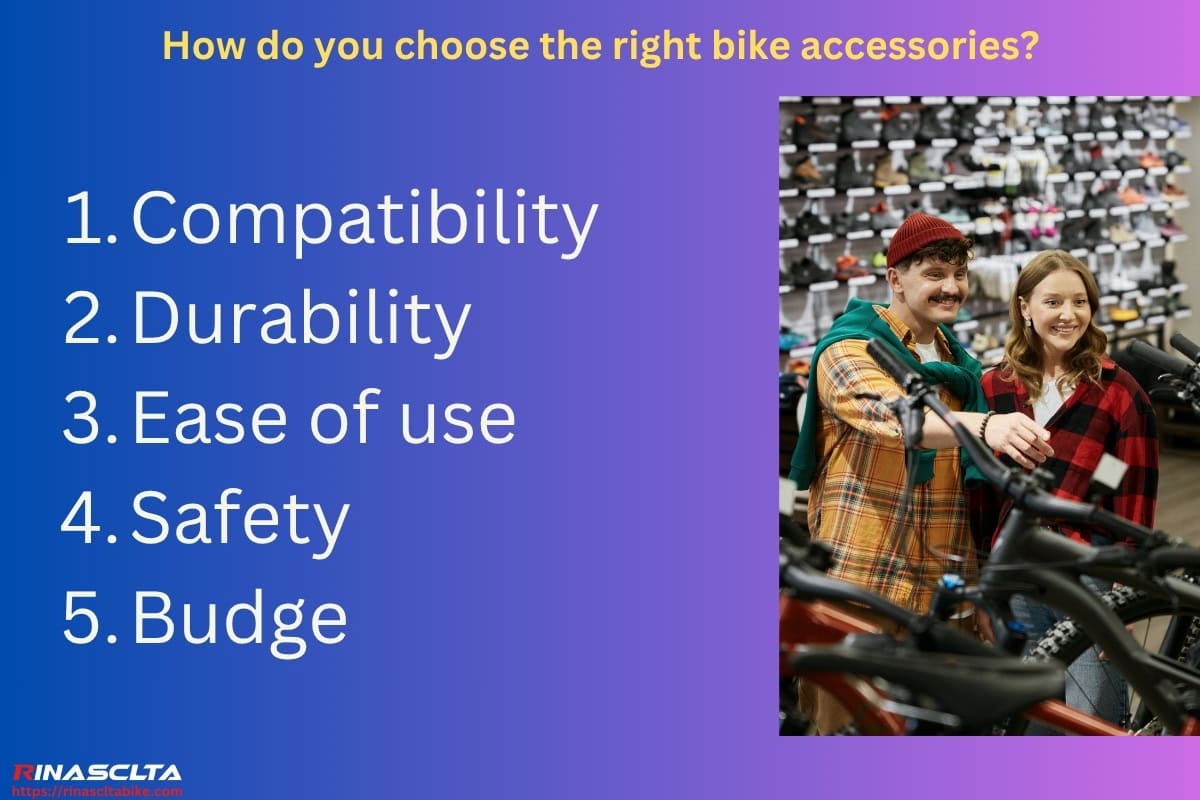
You can choose the right bike accessories by considering compatibility, durability, ease of use, safety, and budget—these features ensure that the accessories function correctly, last over time, enhance your ride, protect you, and fit your spending plan.
- Compatibility: Ensure the accessory matches your bike’s specifications such as frame mounts, tire size, or handlebar diameter to avoid installation or performance issues.
- Durability: Choose accessories made from quality materials like aluminum, stainless steel, or weather-resistant plastics for long-lasting use in varied riding conditions.
- Ease of use: Look for designs that allow quick installation, adjustment, or removal, especially when on the go.
- Safety: Prioritize accessories like lights, bells, mirrors, and helmets that increase your visibility and protection in all environments.
- Budget: Balance price and performance by selecting items that meet your needs without overspending, considering brand reputation and warranty.
Where can I buy bike accessories?
You can buy bike accessories from local bike shops, large sporting goods stores, online marketplaces, brand websites, used gear platforms, and cycling expos or events—each option offers different advantages in terms of expert advice, convenience, pricing, selection, and product support.
- Local bike shops: Offer personalized service, expert recommendations, and immediate hands-on fitting or installation.
- Large sporting goods stores: Provide a wide range of mainstream accessories with competitive pricing and in-store pickup.
- Online marketplaces (e.g., Amazon, eBay): Deliver convenience, broad selection, and user reviews, though product fit and authenticity may vary.
- Brand websites (e.g., Trek, Specialized, SRAM): Sell official gear with direct warranties, product support, and the latest releases.
- Used gear platforms (e.g., Craigslist, Facebook Marketplace): Offer affordable secondhand accessories, ideal for budget-conscious or DIY riders.
- Cycling expos or events: Feature exclusive deals, product demos, and access to niche or high-performance gear not always found in stores.
How much does the average cyclist spend on bike accessories?
The average cyclist spends around USD 100–300 / EUR 90–270 / GBP 80–250 per year on bike accessories, depending on riding frequency, terrain, and goals—commuters and casual riders tend to invest in essentials like helmets, locks, and lights, while enthusiasts and long-distance cyclists often spend more on performance upgrades, tech, and maintenance gear.
What is the average product return rate for bike accessories?
The average product return rate for bike accessories ranges from 5% to 15%, depending on the product type, purchase channel, and brand policy—lower return rates (around 5%) are common for in-store purchases with proper fitting (like helmets or lights), while higher rates (up to 15%) occur with online orders due to sizing issues, compatibility mismatches, or unmet expectations.
A to Z bike accessories list
A – Action camera, Aero bars, Air horn, Arm warmers
B – Bell, Basket, Bottle cage, Bike computer, Bike cover
C – Chain cleaner, Chain guard, CO₂ inflator, Crank boots
D – Dropper post lever, Disc brake lock, Dynamo light
E – Elbow pads, E-bike display, Emergency tire boot
F – Frame bag, Fender, Floor pump, Fork protector
G – GPS tracker, Glove, Gear hanger, GoPro mount
H – Helmet, Handlebar bag, Headlight, Hydration pack
I – Inner tube pouch, Insulated bottle, Integrated taillight
J – Jersey pocket tool roll, Jockey wheel
K – Kickstand, Knee pads, Key lock
L – Lights, Lock, Lubricant, Luggage rack
M – Mirror, Multi-tool, Mudguard, Mount adapter
N – Neck gaiter, Number holder, Nut cap
O – Odometer, Organizer bag, Overshoe
P – Phone mount, Patch kit, Pannier, Pedal straps
Q – Quick-release skewer, QR code tag for ID
R – Rack, Rain cover, Reflectors, Rim tape
S – Saddlebag, Spoke light, Seatpost clamp, Shock pump
T – Tail light, Tool kit, Tire lever, Top tube bag
U – U-lock, Under-seat bag, USB bike light
V – Valve adapter, Visibility vest, Vibration dampener
W – Water bottle, Wheel light, Windbreaker
X – X-mount phone holder
Y – Y-wrench, Yakima rack (brand-specific accessory)
Z – Zefal mudguard, Zip ties (for gear attachment)